MTG Collabs: 12 Best Crossovers Fans Love and Why They Matter
MTG collabs have changed Magic: The Gathering more in the past few years than almost anything since the creation of Commander. Today you can cast Cloud Strife, swing with Spider-Man, or build a Fallout vault around a bobblehead, all in the same game that started with dragons and wizards in 1993. This guide explains how Magic crossovers work, highlights the most important releases so far, and helps you decide what to collect and what to play.
Whether you love these crossovers or prefer original Magic settings, understanding MTG collabs is now essential. They shape Standard, fill Commander tables and drive some of the most talked-about Secret Lair drops each year.
What are MTG collabs?
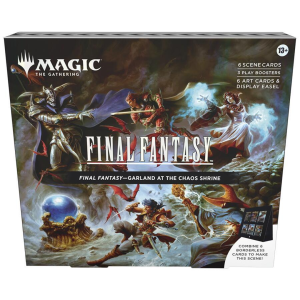
In plain terms, MTG collabs are products where Wizards of the Coast licenses another franchise and turns its characters, places and moments into Magic cards. Wizards groups most of these under the Universes Beyond banner. Some arrive as full expansions with boosters and Commander decks, while others appear as small Secret Lair drops with alternate art on existing cards.
Universes Beyond versus Secret Lair crossovers
- Universes Beyond sets: larger releases with new cards, booster products and preconstructed decks. Examples include The Lord of the Rings: Tales of Middle-earth, Final Fantasy and Marvel’s Spider-Man.
- Universes Beyond Commander decks: standalone preconstructed decks, like the Warhammer 40,000, Doctor Who and Fallout Commander products.
- Secret Lair crossovers: limited direct-to-fan drops, often reprinting existing cards with licensed art, such as The Walking Dead, Stranger Things, Street Fighter, Fortnite, Hatsune Miku and Monty Python drops.
The distinction matters for gameplay. Full sets and decks bring new mechanics and cards, while many Secret Lair crossovers are cosmetic versions of cards you could already play.
A short history of MTG collabs
The modern era of MTG collabs began with a Secret Lair featuring The Walking Dead in 2020, which introduced brand-new cards that were only available in that drop. The reaction was mixed, and Wizards adjusted its approach, later making those cards available in other ways. From there, the Universes Beyond label grew into a full product line.
Warhammer 40,000 Commander decks arrived in 2022, followed by The Lord of the Rings: Tales of Middle-earth and Doctor Who in 2023, and Jurassic Park cards tied to The Lost Caverns of Ixalan. In 2024, Fallout Commander decks and Assassin’s Creed joined the list, with Fallout in particular becoming a hit among Commander players.
The Standard-legal turning point
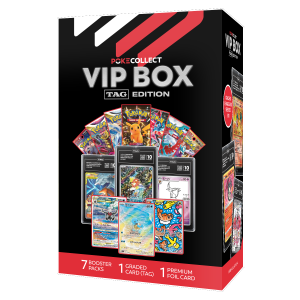
Final Fantasy, released in June 2025, was the first Universes Beyond expansion legal in Standard. That moved MTG collabs from side products into the core of competitive play. Marvel’s Spider-Man followed in September 2025 and Avatar: The Last Airbender in November 2025. In 2026, Teenage Mutant Ninja Turtles arrived in March and Marvel Super Heroes followed in the summer, with more crossovers such as Star Trek on the schedule at the time of writing (November 2026). Always confirm current legality on the official Magic site.
12 notable MTG collabs worth knowing
Not every crossover lands equally. These are the releases that have had the biggest impact on play, collecting or conversation.
- The Lord of the Rings: Tales of Middle-earth: a full set famous for The One Ring and its serialized chase card.
- Final Fantasy: the first Standard-legal Universes Beyond set, beloved by both gaming and Magic fans.
- Fallout: Commander decks that became among the most popular preconstructed products in recent memory.
- Warhammer 40,000: four Commander decks that showed crossovers could carry deep, synergistic designs.
- Doctor Who: time-travel mechanics that fit Commander surprisingly well.
- Marvel’s Spider-Man: a Standard-legal set with an army of fan-favorite heroes and villains.
- Avatar: The Last Airbender: element-bending themes mapped neatly onto Magic’s colors.
- Teenage Mutant Ninja Turtles: a 2026 release with a playful, team-based identity.
- Marvel Super Heroes: a 2026 set bringing classic Marvel characters to the table.
- Assassin’s Creed: a smaller set focused on stealthy, historical flavor.
- The Walking Dead Secret Lair: the drop that started the modern debate.
- Monty Python Secret Lair: pure comedy art that shows how fun cosmetic MTG collabs can be.
How MTG collabs affect gameplay
For Commander players, MTG collabs are mostly a gift. Crossover sets have introduced dozens of strong legendary creatures and support cards, and many have become staples. Since Commander allows almost every card ever printed, nearly all crossover cards are welcome at casual tables.
In Standard, the effect is bigger. Because recent Universes Beyond sets are legal there, you now meet characters from video games and comics in competitive brackets. Some players love the variety, while others miss the feeling of a single unified Magic world. Either way, staying informed helps you build smarter decks.
Format legality basics
- Commander: crossover cards are generally legal, subject to the official ban list.
- Standard: recent Universes Beyond expansions are legal while in rotation; older crossover sets are not.
- Modern, Legacy and Vintage: legality depends on the specific product, so check each card.
- Secret Lair reprints: legal wherever the original card is legal.
The easiest way to check a single card is to look it up on Scryfall, which shows legality for every format.
Collecting MTG collabs
MTG collabs attract fans from outside Magic, which can push demand for certain cards well above their playability. Iconic characters, serialized cards and special treatments tend to draw the most attention. That said, crossover cards also get reprinted, and hype can cool after release, so buy what you love rather than chasing speculation.
Smart buying tips
- Buy singles for decks: if you need one character for a Commander list, picking up the single from our MTG singles is usually cheaper than opening boosters.
- Sealed for the experience: booster boxes are great if you enjoy opening and drafting with friends.
- Grade the special pieces: serialized or headline cards may benefit from professional grading, which you can explore in our graded cards category.
- Watch for preconstructed decks: crossover Commander decks are excellent, ready-to-play entry points.
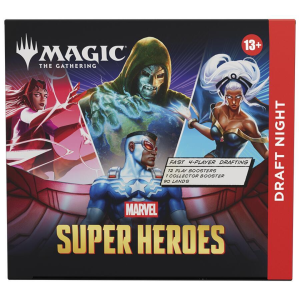
We have carried crossover products such as Final Fantasy and Marvel Super Heroes items and Secret Lair singles like the Monty Python drop, though availability changes constantly. Browse the full shop for what is currently listed.
The debate around MTG collabs
Not everyone is thrilled. Some longtime players worry that MTG collabs crowd out original Magic stories and planes. Others point out that crossovers bring new players into local stores, which strengthens the whole community. Wizards has continued to release in-universe sets alongside crossovers, such as Lorwyn Eclipsed in 2026, so original Magic is far from gone.
A balanced view is that crossovers are now a permanent part of Magic. You can embrace the ones that excite you and skip the rest. Nobody needs to buy every product, and your playgroup can always agree on house preferences for flavor.
Building a themed deck around a crossover
One of the most enjoyable ways to engage with MTG collabs is to build a fully themed Commander deck. Pick a crossover commander, then fill it with cards from the same franchise plus flavorful staples from regular Magic. A Fallout deck with radiation themes or a Final Fantasy party deck can feel like playing a video game on cardboard. Add matching sleeves from our accessories for the finishing touch.
What comes next for MTG collabs
At the time of writing, Wizards has announced more crossovers for late 2026 and beyond, including a Star Trek release and The Lord of the Rings: The Hobbit. Exact dates and contents can shift, so follow official announcements rather than rumors. Pre-orders often open weeks before a release, and our mystery boxes are a fun way to sample a mix of products in the meantime.
How to evaluate new MTG collabs before release
Every announcement creates a wave of excitement, but not every crossover deserves a spot in your budget. Before you pre-order, ask a few practical questions. Do you know and love the source franchise? Will the cards fit decks you already play? Is the product a full expansion, a set of Commander decks, or a small Secret Lair drop? The answers tell you whether to buy sealed, wait for singles, or skip it altogether.
- Read the official preview articles to see the mechanics and key legendary creatures.
- Check which formats the set enters, since Standard-legal MTG collabs see far more competitive demand.
- Compare product types: Commander decks give a ready-made experience, while boosters offer variety.
- Wait for spoiler season to finish before deciding which singles you need.
Crossovers as a gateway for new players
One clear upside of MTG collabs is how many new players they bring through the door. Someone who has never touched Magic may pick up a Final Fantasy or Spider-Man deck simply because they recognize the characters. If that describes a friend of yours, a crossover Commander deck is a gentle introduction: the cards feel familiar, the deck is ready to play, and you can teach the rules in a single evening. Many of those players later explore original Magic sets once they are hooked.
For longtime players, crossovers can also refresh an old playgroup. Agreeing on a themed night, where everyone brings a deck built around a different franchise, makes for memorable games and great conversation about favorite characters and art.
Secret Lair crossover tips
Secret Lair drops are sold for limited windows, and many crossover drops reprint popular cards with licensed art. If you missed a drop, the single cards often appear on the secondary market later, so you can pick up only the pieces you want. Remember that a Secret Lair version plays exactly like the original card, so your choice is purely about art and collectability.
Universes Within: in-universe names for crossover cards
Some players prefer to keep their tables free of licensed characters. For them, Wizards has printed selected crossover cards with original Magic names and art, often called Universes Within versions. These cards play identically to their crossover counterparts. Not every card gets this treatment, but it is a useful option if your group enjoys the mechanics of MTG collabs while keeping the flavor of classic Magic planes.
Before buying, confirm which version you are getting, since the name and art differ even though the rules text matches. Searching both names on a card database will show you each printing, its legality and its rulings in one place. That way, your MTG collabs collection grows on your terms, and every card in your deck fits the story you want to tell at the table.
MTG collabs FAQ
Are MTG collabs legal in tournaments?
Many are. Recent Universes Beyond sets are Standard legal, and most crossover cards are legal in Commander. Check each card’s legality on Scryfall or the official Magic site.
What was the first Standard-legal Universes Beyond set?
Final Fantasy, released in June 2025, was the first Universes Beyond expansion legal in Standard.
What is the difference between Universes Beyond and Secret Lair?
Universes Beyond is the umbrella for licensed crossover products, including full sets and decks. Secret Lair is a direct-to-fan line of limited drops, some of which are crossovers.
Do crossover cards hold value?
Some do, especially iconic or serialized cards, but reprints and fading hype can lower prices. Buy cards you want to play or display.
Are there in-universe versions of crossover cards?
Sometimes. Wizards has printed certain crossover cards with Magic-universe names and art, known as Universes Within versions, but not for every card.
Buying MTG collabs online: a practical checklist
Shopping for MTG collabs online is convenient, but a little preparation helps you get exactly what you expect. Use this checklist every time you buy Magic: The Gathering products, whether you are picking up a single card, a sealed box or a premium collection.
Before you order
- Confirm the exact product. Check the set name, card number, language and finish in the listing title and photos.
- Read the condition. Singles are usually listed as Near Mint, Lightly Played or similar. Graded cards show the grading company and grade.
- Check stock status. In-stock items ship sooner than pre-orders, which ship when the product releases.
- Compare value, not just price. A bundle with sleeves, dice or promos may be better value than packs alone.
- Know the policies. Read the shipping, returns and contact information before checkout.
When your order arrives
- Open the parcel carefully and check that everything matches the order.
- Inspect singles and slabs under good light straight away.
- Sleeve and store cards immediately so they keep their condition.
- Contact the store quickly if anything is wrong, with photos of the item and packaging.
How to store and care for MTG collabs
Good storage protects both the look and the value of MTG collabs. Cards are made of layered paper and ink, so heat, light, moisture and pressure all cause damage over time. A few simple habits make a big difference.
- Sleeve first. A soft penny sleeve stops scratches and fingerprints.
- Add rigid protection. Toploaders or semi-rigid holders stop bends for valuable cards.
- Choose the right binder. Side-loading, acid-free binders keep cards secure and easy to view. Avoid ring binders that press into cards.
- Control the environment. Keep cards in a cool, dry room away from windows, radiators and damp basements.
- Store sealed product flat. Boxes and tins last longer stored flat and out of direct light.
- Handle with clean, dry hands. Oils and moisture can mark card surfaces.
You can find sleeves, toploaders, binders and deck boxes in our TCG accessories range.
Useful terms for MTG collabs collectors
- Single: an individual card sold on its own.
- Sealed: unopened product in its original factory wrap.
- Pull rate: how often a type of card appears in packs.
- Chase card: the most wanted card in a set.
- Slab: a card graded and sealed in a hard plastic case.
- NM / LP / MP / HP: condition grades from Near Mint to Heavily Played.
- Reprint: a card printed again in a later product.
- Pre-order: reserving a product before its release date.
Common mistakes to avoid with MTG collabs
Even experienced collectors make avoidable mistakes. Keeping these in mind will save you money and protect your cards.
- Chasing one card through endless packs. If you need a specific card, the single is almost always the cheaper route.
- Skipping protection. A card left unsleeved for a day can pick up a scratch that lowers its value.
- Buying on hype alone. Prices can move quickly after a release. Check several recent sales before paying a premium.
- Ignoring condition notes. Two copies of the same card can differ greatly in value because of wear.
- Storing cards in the wrong place. Attics, garages and sunny windowsills are hard on cardboard.
- Forgetting your goal. A clear plan, such as finishing a set or upgrading a deck, keeps spending focused.
A simple plan to get started with MTG collabs
- Set a goal. Decide whether you are collecting, playing or both.
- Set a monthly budget. Spending a fixed amount keeps the hobby fun and sustainable.
- Mix sealed and singles. Open packs for enjoyment and buy singles for the cards you really need.
- Protect as you go. Sleeves and toploaders cost little compared with the cards they protect.
- Track your collection. A simple list shows what you own and what you still want.
- Sell or trade duplicates. Turn cards you do not need into new additions through a trusted store.
Why shop for MTG collabs at TCG Store USA
TCG Store USA is an online trading card shop for collectors and players. We list Magic: The Gathering products with clear titles and photos, separate in-stock items from pre-orders, and offer a sell and trade service when you want to turn cards into cash or store credit. Browse our singles, booster boxes and graded cards, or contact us with any question about an order or product. For official news, rules and release announcements, visit the official Magic: The Gathering site.
Final thoughts on MTG collabs
MTG collabs are here to stay, and they offer something for everyone, from Standard grinders to Commander storytellers and art collectors. Learn which products change gameplay, buy singles when you need specific cards, and enjoy the crossovers that speak to you. If you have crossover cards you no longer need, visit our sell and trade page, or reach out through the contact page for help finding a specific card.