Magic the Gathering Cards: 10 Essential Tips for Happy Buyers
Magic the Gathering cards have been printed since 1993, and today there are tens of thousands of unique cards across hundreds of sets. That is exciting, but it can also be overwhelming when you are deciding what to buy. This buyer’s guide walks you through how Magic the Gathering cards are built, what the rarities mean, which sealed products suit which players, and how to buy singles with confidence.
How Magic the Gathering cards are laid out
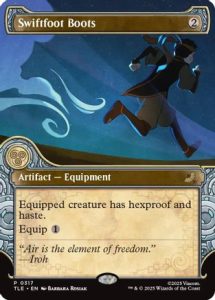
Every card follows the same basic layout, and once you can read it, any listing or product photo makes sense. Here is what you see from top to bottom:
- Name and mana cost: the card name sits top left and the mana cost top right. Colored symbols show white, blue, black, red and green mana; a number shows generic mana any color can pay.
- Art box: the illustration, with the artist credit printed underneath on most frames.
- Type line: tells you whether the card is a creature, instant, land and so on, plus any subtypes.
- Set symbol: on the right of the type line. Its color shows the rarity.
- Text box: the rules text, sometimes with italic flavor text below it.
- Power and toughness: bottom right on creatures, or a loyalty number on planeswalkers.
- Collector information: bottom left on modern cards, showing collector number, rarity letter, set code and language.
That bottom-left line is your best friend as a buyer. Two Magic the Gathering cards with the same name can come from different sets with very different prices, and the set code and collector number identify the exact version.
The main card types explained
Card types decide when and how Magic the Gathering cards can be played. Knowing them helps you understand why some cards become expensive staples while others stay cheap.
Permanents
- Lands: your mana sources. Basic lands are free to print, but utility lands and dual lands are some of the most valuable Magic the Gathering cards ever made.
- Creatures: attack and block. They range from simple bears to game-ending legends that lead Commander decks.
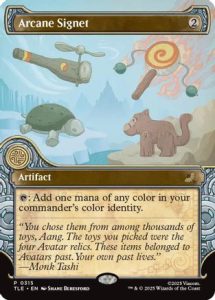
- Artifacts: colorless objects such as equipment and mana rocks. Sol Ring and Arcane Signet are artifacts found in a huge share of Commander decks.
- Enchantments: lasting magical effects, including Auras that attach to other permanents.
- Planeswalkers: powerful allies with loyalty abilities you use once per turn.
- Battles: a newer permanent type introduced in March of the Machine, which you attack to defeat and flip.
Spells that resolve and leave
- Instants: can be cast almost any time, even on your opponent’s turn. Protection spells such as Heroic Intervention are instants for that reason.
- Sorceries: cast only on your own turn when nothing else is happening, usually with bigger effects.
You will also see supertypes such as legendary, basic and snow, and the Kindred type for tribal non-creature spells. Legendary creatures matter enormously for Commander, because they can lead a deck.
Rarity on Magic the Gathering cards
The color of the set symbol tells you how often Magic the Gathering cards appear in packs. Rarity is a starting point for value, not a guarantee, because demand from players drives most prices.
- Common (black symbol): the most frequent cards in a pack.
- Uncommon (silver symbol): a few per pack, often key build-arounds for Limited.
- Rare (gold symbol): usually one rare or mythic slot per standard pack.
- Mythic rare (orange-red symbol): introduced with Shards of Alara in 2008, rarer than rares and often the set’s headline cards.
- Special and bonus sheet cards: purple or other unique symbols for things like Timeshifted cards or special guests.
Treatments and finishes
Modern sets print many Magic the Gathering cards in several versions. A single rare might exist as a regular card, a traditional foil, a borderless version, an extended-art version, a showcase frame, and sometimes a textured, galaxy, surge or serialized foil. Collector versions often cost many times the regular copy, yet they play exactly the same. If you only want to play, the cheapest printing of a card does the job. If you collect, these treatments are where the chase lives.
Sealed products: which box fits you?
Wizards of the Coast releases sealed Magic the Gathering cards in several formats. Choosing the right one saves money and disappointment.
Play Boosters
Since Murders at Karlov Manor in early 2024, Play Boosters replaced the old Draft and Set Boosters for most main sets. They are designed to be drafted and fun to open, with at least one rare or mythic and a chance at special treatments. A Play Booster box is the go-to for draft nights with friends.
Collector Boosters
Collector Boosters are packed with foils, alternate frames and the highest-value versions of each card. They cost far more per pack and are aimed at collectors rather than drafters.
Commander decks
Preconstructed Commander decks give you a ready-to-play 100-card deck with a legendary commander and new cards. They are the easiest way into the most popular casual format. Recent examples include decks for Final Fantasy and Marvel crossover releases, and Starter Commander decks aimed at brand-new players.
Bundles, starter kits and Secret Lair
Bundles combine boosters with a storage box, dice and lands, making a nice gift. Starter kits teach the game with two ready decks. Secret Lair drops are limited direct-to-fan releases with unusual art, such as crossover singles with franchises like Monty Python. Browse our booster boxes and other TCG products to see what is currently listed.
Why buying singles often beats opening packs
Opening packs is fun, and we would never talk you out of a good draft night. But if you need four copies of a specific removal spell or one particular commander, buying single Magic the Gathering cards is almost always cheaper and faster. You pay for exactly the card you want, in the condition and printing you prefer, rather than gambling on pull rates.
A sensible approach many players follow is to open sealed product for the experience, then fill the gaps with singles. Our MTG singles range covers staples such as Sol Ring, Arcane Signet, Heroic Intervention and Swiftfoot Boots alongside newer cards.
10 essential tips for buying Magic the Gathering cards online
- Match the set code. Check the listing set name and collector number so you get the exact printing you want.
- Decide on foil or non-foil. Foils look great but can curl slightly, and some players prefer non-foil for tournaments.
- Check the language. Japanese and other language copies are legal in sanctioned play but are priced differently.
- Read the condition notes. Near Mint, Lightly Played and Moderately Played can mean big price gaps for older cards.
- Know the format. Confirm a card is legal where you play before you buy it.
- Look for reprints. A card reprinted in a new Commander deck or Masters set often drops in price, so check before paying a premium.
- Consider the Reserved List. Some older cards will never be reprinted, which keeps their prices high.
- Buy staples early in a build. Mana rocks, removal and protection appear in many decks, so they are rarely wasted.
- Bundle your order. Grouping several singles into one order is simpler to track than many small orders.
- Use official tools. Search card text, rulings and printings on Scryfall or the official Gatherer database before buying.
Formats and why they move card prices
The format Magic the Gathering cards are played in has more effect on their price than rarity alone. Here are the main ones you will hear about.
- Standard: uses only recent sets, so cards rotate out over time.
- Pioneer and Modern: non-rotating formats with larger card pools.
- Legacy and Vintage: almost every card ever printed, with expensive older staples.
- Commander: 100-card singleton decks led by a legendary creature, the most popular casual format.
- Pauper: commons only, a budget-friendly competitive option.
- Limited: Draft and Sealed, where you build decks from packs you open.
Ban lists change, and Commander now uses a bracket system to help groups match power levels. At the time of writing (November 2026), check the official Magic site for the latest banned and restricted announcements before buying cards for a specific format.
Collecting Magic the Gathering cards for value
Some people never shuffle a deck and still love the hobby. If you collect, focus on what you enjoy most: a favorite artist, a crossover such as Final Fantasy, a set from when you started playing, or the serialized and special treatments that appear in Collector Boosters.
Graded Magic cards
Grading is less common in Magic than in Pokémon, but it is growing, especially for vintage cards, serialized cards and high-end foils. A slab from a major grading company confirms authenticity and condition. Browse our graded cards if you want that extra certainty.
Collections and mystery products
Buying a collection is a good way to fill a binder or try a new color. Mystery products add surprise for gift-givers. Have a look at our card collections and mystery boxes for something different.
Spotting counterfeit Magic the Gathering cards
Valuable Magic the Gathering cards attract fakes. A few checks help you stay safe:
- The light test: real cards have a dark inner layer, so they let less light through than many fakes.
- Print rosettes: under a loupe, genuine cards show a neat dot pattern in colored areas.
- Back color and font: compare with a common from the same era; fakes often have washed-out backs or slightly wrong fonts.
- Feel and flex: fakes can feel waxy or too stiff.
The easiest protection is buying from a store that lists cards with clear titles and photos, and checking anything expensive as soon as it arrives.
Selling or trading Magic the Gathering cards you no longer use
Decks change and collections of Magic the Gathering cards grow. If you have staples sitting in a box, you can turn them into cash or store credit and fund your next commander. Visit our sell and trade page to learn how it works, or explore the full shop for your next upgrade.
Building a budget deck with Magic the Gathering cards
You do not need a huge budget to enjoy the game. A preconstructed Commander deck gives you a complete, playable list out of the box. From there, upgrade a few Magic the Gathering cards at a time: swap slow lands for ones that enter untapped, add a couple of mana rocks, and replace weak removal with flexible instants. Ten well-chosen singles can transform a precon without touching the cards that make it fun.
A simple upgrade order
- Mana first: mana rocks and better lands make every other card work more often.
- Interaction second: cheap removal and protection keep your commander alive.
- Card draw third: a steady flow of Magic the Gathering cards in hand wins long games.
- Payoffs last: once the deck runs smoothly, add the flashy finishers.
Following this order means the cheapest Magic the Gathering cards in your list often have the biggest impact, and you spend money where it actually changes how games play out.
Magic the Gathering cards FAQ
How many Magic the Gathering cards are in a deck?
Constructed formats such as Standard and Modern use at least 60 cards. Commander decks use exactly 100 cards, including the commander. Limited decks built from packs use at least 40 cards.
What are the rarest Magic the Gathering cards?
Alpha Power Nine cards such as Black Lotus, unique serialized cards, and prize cards from early tournaments are among the rarest. In modern sets, serialized cards and special foils are the hardest pulls.
Are Play Boosters good for collecting?
They are good for opening and drafting, with a chance at special versions. If you want foils and premium frames above all else, Collector Boosters are aimed more directly at you.
Can I play with any printing of a card?
Yes. In sanctioned formats any official printing of a legal card works, including borderless and showcase versions. Only cards like gold-bordered collector’s sets and acorn cards are not tournament legal.
Where do I check if a card is banned?
Wizards of the Coast publishes banned and restricted lists on its official site. Scryfall also shows format legality on each card page.
Buying Magic the Gathering cards online: a practical checklist
Shopping for Magic the Gathering cards online is convenient, but a little preparation helps you get exactly what you expect. Use this checklist every time you buy Magic: The Gathering products, whether you are picking up a single card, a sealed box or a premium collection.
Before you order
- Confirm the exact product. Check the set name, card number, language and finish in the listing title and photos.
- Read the condition. Singles are usually listed as Near Mint, Lightly Played or similar. Graded cards show the grading company and grade.
- Check stock status. In-stock items ship sooner than pre-orders, which ship when the product releases.
- Compare value, not just price. A bundle with sleeves, dice or promos may be better value than packs alone.
- Know the policies. Read the shipping, returns and contact information before checkout.
When your order arrives
- Open the parcel carefully and check that everything matches the order.
- Inspect singles and slabs under good light straight away.
- Sleeve and store cards immediately so they keep their condition.
- Contact the store quickly if anything is wrong, with photos of the item and packaging.
How to store and care for Magic the Gathering cards
Good storage protects both the look and the value of Magic the Gathering cards. Cards are made of layered paper and ink, so heat, light, moisture and pressure all cause damage over time. A few simple habits make a big difference.
- Sleeve first. A soft penny sleeve stops scratches and fingerprints.
- Add rigid protection. Toploaders or semi-rigid holders stop bends for valuable cards.
- Choose the right binder. Side-loading, acid-free binders keep cards secure and easy to view. Avoid ring binders that press into cards.
- Control the environment. Keep cards in a cool, dry room away from windows, radiators and damp basements.
- Store sealed product flat. Boxes and tins last longer stored flat and out of direct light.
- Handle with clean, dry hands. Oils and moisture can mark card surfaces.
You can find sleeves, toploaders, binders and deck boxes in our TCG accessories range.
Useful terms for Magic the Gathering cards collectors
- Single: an individual card sold on its own.
- Sealed: unopened product in its original factory wrap.
- Pull rate: how often a type of card appears in packs.
- Chase card: the most wanted card in a set.
- Slab: a card graded and sealed in a hard plastic case.
- NM / LP / MP / HP: condition grades from Near Mint to Heavily Played.
- Reprint: a card printed again in a later product.
- Pre-order: reserving a product before its release date.
Common mistakes to avoid with Magic the Gathering cards
Even experienced collectors make avoidable mistakes. Keeping these in mind will save you money and protect your cards.
- Chasing one card through endless packs. If you need a specific card, the single is almost always the cheaper route.
- Skipping protection. A card left unsleeved for a day can pick up a scratch that lowers its value.
- Buying on hype alone. Prices can move quickly after a release. Check several recent sales before paying a premium.
- Ignoring condition notes. Two copies of the same card can differ greatly in value because of wear.
- Storing cards in the wrong place. Attics, garages and sunny windowsills are hard on cardboard.
- Forgetting your goal. A clear plan, such as finishing a set or upgrading a deck, keeps spending focused.
A simple plan to get started with Magic the Gathering cards
- Set a goal. Decide whether you are collecting, playing or both.
- Set a monthly budget. Spending a fixed amount keeps the hobby fun and sustainable.
- Mix sealed and singles. Open packs for enjoyment and buy singles for the cards you really need.
- Protect as you go. Sleeves and toploaders cost little compared with the cards they protect.
- Track your collection. A simple list shows what you own and what you still want.
- Sell or trade duplicates. Turn cards you do not need into new additions through a trusted store.
Why shop for Magic the Gathering cards at TCG Store USA
TCG Store USA is an online trading card shop for collectors and players. We list Magic: The Gathering products with clear titles and photos, separate in-stock items from pre-orders, and offer a sell and trade service when you want to turn cards into cash or store credit. Browse our singles, booster boxes and graded cards, or contact us with any question about an order or product. For official news, rules and release announcements, visit the official Magic: The Gathering site.
Final thoughts on Magic the Gathering cards
Magic the Gathering cards reward a little knowledge. Learn to read the card layout, understand rarity and finishes, pick sealed products that match how you play, and buy singles for the cards you really need. Do that and every dollar goes further, whether you are building your first Commander deck or chasing a serialized foil. When you are ready, our MTG singles are a great place to start.