
Commander Decks MTG: 7 Proven Steps to Build a Great Deck
Building your own Commander decks MTG style, from a blank sheet rather than a box, is one of the most rewarding things you can do in Magic: The Gathering. A precon is a fine start, but a deck you design around your favorite legendary creature feels personal in a way nothing else does. This guide walks through seven steps for building Commander decks MTG players will enjoy facing: choosing a commander, using a deck template, picking an archetype, building on a budget and upgrading over time.
Before you start: the rules that shape every deck
Every Commander deck has exactly 100 cards, including the commander. Apart from basic lands, every card must be a different card, so there is only one copy of each. Every card must also fit your commander’s color identity, which counts the mana symbols in its cost and rules text. Games usually have four players starting at 40 life, and a player who takes 21 combat damage from a single commander loses.
Two more things to know. First, there is an official banned list for the format, maintained by Wizards of the Coast. Second, the Commander Brackets system, numbered from 1 to 5, helps players describe how powerful their decks are, alongside a list of cards called Game Changers that push a deck into higher brackets. At the time of writing these were still evolving, so check the current lists on the official Magic: The Gathering site before you finalize a deck.
Step 1: Choose a commander for your Commander decks MTG build
Your commander is the heart of the deck. It sets your colors, suggests a strategy and is the card you will cast most often. When you build Commander decks MTG players remember, the choice of commander matters more than any other card.
Questions to ask about a commander
- Do I love this card? You will play it a lot. Pick a character, art or mechanic you enjoy.
- What does it want to do? A commander that rewards a clear action, such as attacking, casting spells or sacrificing creatures, makes building easier.
- How many colors? Two-color commanders are a great balance of options and mana consistency. Mono-color decks are cheap and consistent. Three or more colors offer flexibility but need a stronger mana base.
- Is it the engine or the finisher? Some commanders generate value every turn, others end the game. Know which role yours plays.
Good first commanders
Look for commanders with a simple, repeatable effect. A legendary creature that draws a card whenever something happens, or that gets bigger as you follow its theme, is easy to build around. Avoid commanders whose combo potential will make your playgroup uncomfortable until you know their preferences.
Step 2: Use a template for Commander decks MTG players trust
A template keeps your deck functional. The exact numbers vary by strategy, but most well-built Commander decks MTG communities share use a version of this 99-card skeleton:
- 36 to 38 lands: fewer if your deck is low-curve or has lots of ramp, more if your spells are expensive.
- 10 ramp pieces: mana rocks such as Sol Ring and Arcane Signet, or land ramp in green.
- 10 card draw sources: repeatable draw engines are better than one-off draw spells.
- 8 to 10 targeted removal spells: answers to creatures, artifacts, enchantments and planeswalkers.
- 2 to 4 board wipes: resets for when an opponent runs away with the game.
- 25 to 30 theme cards: the cards that make your deck do its thing.
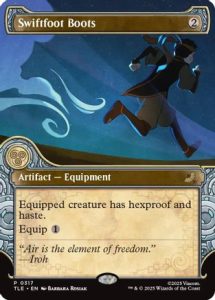
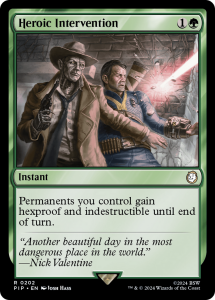
- A few protection pieces: cards like Swiftfoot Boots or Heroic Intervention keep your commander and board alive.
Why the template matters
Most new decks fail not because the theme is weak but because they run out of mana, cards or answers. A deck with 30 lands and five removal spells will stall. Starting from a template means your Commander decks MTG games feel smooth, and you can adjust once you see how the deck plays.
Step 3: Pick an archetype
Archetypes are the broad strategies behind Commander decks MTG players build. Knowing them helps you choose theme cards and understand how your deck wins.
Tribal or typal
Build around a creature type such as Elves, Dragons, Zombies or Vampires. Lords and type-matters payoffs reward you for playing many creatures of the same type. These decks are flavorful and easy to explain to new players.
Spellslinger
Cast many instants and sorceries and reward yourself for each one with damage, tokens or card draw. Usually blue and red.
Aristocrats
Create creatures, sacrifice them for value, and drain opponents whenever something dies. Black is the core color here, often with white or red.
Voltron
Load your commander with Equipment and Auras and win with commander damage. Protection is essential because your whole plan rides on one creature.
Tokens and go-wide
Fill the board with small creatures, then pump them all at once. White and green excel at this.
Lands and ramp
Play extra lands each turn and use landfall payoffs. Green-based decks thrive with this plan.
Control and stax
Slow the table down with counterspells, taxing effects and sweepers. Powerful, but check that your group enjoys this style.
Group hug and politics
Help everyone and steer the game with deals. Fun in casual groups, and a reminder that Commander is a social format.
Step 4: Choose your theme cards
With your template in place, fill the 25 to 30 theme slots. Start by searching for cards that share your commander’s keywords or rewards. Online deck databases show which cards appear most often with a given commander, and Scryfall lets you search by color identity and card text.
Synergy over raw power
A card that is perfect for your strategy is often better than a powerful card that does nothing with your commander. Look for cards that do double duty, such as removal that also feeds your graveyard theme, or ramp that also creates creatures for an aristocrats deck.
Watch your mana curve
Count how many cards you have at each mana value. Too many expensive cards and you will do nothing for the first few turns. Most strong Commander decks MTG players build have an average mana value around three, with plenty of cards at two and three mana.
Step 5: Build the mana base
The mana base is the most overlooked part of homebrew Commander decks MTG players put together. In mono-color decks, basic lands and a few utility lands are enough. In two colors, aim for a mix of basics and dual lands that enter untapped when possible. In three or more colors, you need more duals, fetchable lands and mana fixing.
- Count the colored symbols in your spells and split basics in roughly the same ratio.
- Limit lands that enter tapped, since they slow you down.
- Add a couple of utility lands that support your theme.
- Include Command Tower and other commander-friendly lands in multicolor decks.
Step 6: Build your Commander decks MTG way on a budget
You do not need expensive cards to build fun Commander decks. MTG has many affordable cards that do the job well, and many staples are reprinted regularly in precons, which keeps them accessible.
Budget tips
- Choose a mono or two-color commander. Your mana base will be much cheaper.
- Use reprinted staples. Sol Ring, Arcane Signet and Swiftfoot Boots appear in many precons and are usually affordable.
- Prefer basic lands over pricey duals. They work fine in two-color decks.
- Look for uncommon all-stars. Many powerful Commander cards are uncommons.
- Start from a precon’s leftovers. Strip a precon for staples and lands, then build the rest yourself.
- Buy collections. A used card collection can supply dozens of useful cards at once.
Set a power target
Decide which bracket you are aiming for. A focused bracket 2 deck can be built cheaply and plays well against most precons. Higher brackets often need more expensive cards, so match your budget to the games you want to play.
Step 7: Test, tune and upgrade
No homebrew is finished after its first game, and Commander decks MTG players build are no exception. Play it, note what feels clunky, and make changes. Good Commander decks MTG players are proud of usually go through several rounds of tuning.
Questions after each game
- Did I have enough mana and land drops?
- Did I run out of cards in hand?
- Could I answer the biggest threats?
- Which cards sat in my hand doing nothing?
- Was the game fun for everyone at the table?
Upgrade priorities
- Fix the mana first. Better lands and ramp make every game smoother.
- Improve card draw. Swap one-time draw spells for repeatable engines.
- Upgrade removal. Cheaper, more flexible answers save your games.
- Sharpen the theme. Replace weak theme cards with better ones from new sets.
- Add protection. Keep your commander alive with equipment and protection spells.
Browse MTG singles for specific upgrades, and trade in cards you cut through our sell and trade page for cash or store credit.
A worked example: building Commander decks MTG style in one evening
Here is how the seven steps look in practice. Say you pick a white and black commander that rewards you whenever a creature dies. That points to an aristocrats archetype, so your theme cards are token makers, sacrifice outlets and drain payoffs. Fill 37 lands with basics, a few dual lands and Command Tower, then add ten ramp pieces, mostly mana rocks since white and black lack land ramp.
Next, add ten draw sources, many of which reward creatures dying, so they double as theme cards. Finish with nine removal spells, three board wipes that your deck can recover from, and a couple of protection cards. Count to 99, sleeve it, and play a few games. Commander decks MTG players build this way usually work from the first game, and tuning turns them into favorites.
The same method works for any commander. Swap the archetype and theme cards, keep the template, and you can build several Commander decks MTG nights will never get boring with.
Talking about power level with your group
Building Commander decks MTG groups enjoy also means honest talk. Before a game, tell the table what your deck does and roughly what bracket it is. A short conversation avoids mismatches, such as a combo deck at a table of casual tribal decks. The bracket system gives everyone a shared vocabulary, but honest communication matters more than any number.
Making your deck look and feel great
Commander decks MTG players build themselves deserve good protection. Use quality sleeves, a sturdy deck box that holds 100 sleeved cards, and dividers for tokens. Our accessories range covers sleeves, deck boxes and playmats. Collectors also like adding special versions of key cards, such as Secret Lair printings, once the deck is settled.
Commander decks MTG FAQ
How many lands should Commander decks MTG players build include?
Most decks play 36 to 38 lands. Low-curve or ramp-heavy decks can go lower; expensive decks should go higher.
Is it better to build from scratch or upgrade a precon?
Both work. A precon is a fast start; building from scratch lets you pick any commander. Many players do both.
Can I build Commander decks MTG players enjoy on a small budget?
Yes. Choose a mono or two-color commander, use reprinted staples and basic lands, and add upgrades over time.
What is the Commander bracket system?
It is an official scale from 1 to 5 that helps players describe deck power. Check the current guidelines and Game Changers list on the official site.
How do I know if a card fits my commander?
Check its color identity, including mana symbols in its rules text. If any symbol falls outside your commander’s colors, it cannot be in the deck.
Buying Commander decks MTG online: a practical checklist
Shopping for Commander decks MTG online is convenient, but a little preparation helps you get exactly what you expect. Use this checklist every time you buy Magic: The Gathering products, whether you are picking up a single card, a sealed box or a premium collection.
Before you order
- Confirm the exact product. Check the set name, card number, language and finish in the listing title and photos.
- Read the condition. Singles are usually listed as Near Mint, Lightly Played or similar. Graded cards show the grading company and grade.
- Check stock status. In-stock items ship sooner than pre-orders, which ship when the product releases.
- Compare value, not just price. A bundle with sleeves, dice or promos may be better value than packs alone.
- Know the policies. Read the shipping, returns and contact information before checkout.
When your order arrives
- Open the parcel carefully and check that everything matches the order.
- Inspect singles and slabs under good light straight away.
- Sleeve and store cards immediately so they keep their condition.
- Contact the store quickly if anything is wrong, with photos of the item and packaging.
How to store and care for Commander decks MTG
Good storage protects both the look and the value of Commander decks MTG. Cards are made of layered paper and ink, so heat, light, moisture and pressure all cause damage over time. A few simple habits make a big difference.
- Sleeve first. A soft penny sleeve stops scratches and fingerprints.
- Add rigid protection. Toploaders or semi-rigid holders stop bends for valuable cards.
- Choose the right binder. Side-loading, acid-free binders keep cards secure and easy to view. Avoid ring binders that press into cards.
- Control the environment. Keep cards in a cool, dry room away from windows, radiators and damp basements.
- Store sealed product flat. Boxes and tins last longer stored flat and out of direct light.
- Handle with clean, dry hands. Oils and moisture can mark card surfaces.
You can find sleeves, toploaders, binders and deck boxes in our TCG accessories range.
Useful terms for Commander decks MTG collectors
- Single: an individual card sold on its own.
- Sealed: unopened product in its original factory wrap.
- Pull rate: how often a type of card appears in packs.
- Chase card: the most wanted card in a set.
- Slab: a card graded and sealed in a hard plastic case.
- NM / LP / MP / HP: condition grades from Near Mint to Heavily Played.
- Reprint: a card printed again in a later product.
- Pre-order: reserving a product before its release date.
Common mistakes to avoid with Commander decks MTG
Even experienced collectors make avoidable mistakes. Keeping these in mind will save you money and protect your cards.
- Chasing one card through endless packs. If you need a specific card, the single is almost always the cheaper route.
- Skipping protection. A card left unsleeved for a day can pick up a scratch that lowers its value.
- Buying on hype alone. Prices can move quickly after a release. Check several recent sales before paying a premium.
- Ignoring condition notes. Two copies of the same card can differ greatly in value because of wear.
- Storing cards in the wrong place. Attics, garages and sunny windowsills are hard on cardboard.
- Forgetting your goal. A clear plan, such as finishing a set or upgrading a deck, keeps spending focused.
A simple plan to get started with Commander decks MTG
- Set a goal. Decide whether you are collecting, playing or both.
- Set a monthly budget. Spending a fixed amount keeps the hobby fun and sustainable.
- Mix sealed and singles. Open packs for enjoyment and buy singles for the cards you really need.
- Protect as you go. Sleeves and toploaders cost little compared with the cards they protect.
- Track your collection. A simple list shows what you own and what you still want.
- Sell or trade duplicates. Turn cards you do not need into new additions through a trusted store.
Why shop for Commander decks MTG at TCG Store USA
TCG Store USA is an online trading card shop for collectors and players. We list Magic: The Gathering products with clear titles and photos, separate in-stock items from pre-orders, and offer a sell and trade service when you want to turn cards into cash or store credit. Browse our singles, booster boxes and graded cards, or contact us with any question about an order or product. For official news, rules and release announcements, visit the official Magic: The Gathering site.
Final thoughts on Commander decks MTG
Building Commander decks MTG fans will love comes down to a few steps: choose a commander you enjoy, follow a solid template, pick an archetype, build a reliable mana base, and keep tuning. Start on a budget, upgrade the parts that matter most, and talk with your group about power. Find your staples in our MTG singles, browse collections and the whole shop, or contact us if you need help tracking down a card.