
Soul Stone MTG: 7 Best Ways to Use This Amazing Infinity Stone
The Soul Stone MTG card is one of the most talked-about artifacts from Magic’s Marvel crossover. It looks like a modest mana rock, but once you harness it, it turns into a reanimation engine that brings a creature back from your graveyard every single upkeep. This guide explains exactly what the card does, how the new harness mechanic works, which decks want it, and how to get the most value from a copy you own or plan to buy.
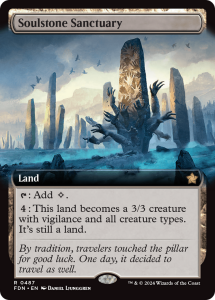
What is the Soul Stone MTG card?
The Soul Stone is a mythic rare black artifact from the Marvel’s Spider-Man set, the Universes Beyond release that brought Peter Parker, Miles Morales and their rogues gallery to Magic in 2025. It carries the Infinity Stone subtypes, the same family as The Mind Stone from the later Marvel Super Heroes set. In the comics and films the Soul Stone demands a sacrifice before it grants its power, and the card designers built that story straight into the rules.
Many players search for the Soul Stone MTG card expecting it to be part of a full set of six stones in one product. At the time of writing (November 2026) the stones have been spread across different Marvel releases rather than printed together, so always check the set symbol and collector number when you buy. The Soul Stone itself is collector number 66 in Marvel’s Spider-Man.
Mana cost and basic abilities
The Soul Stone MTG card costs two mana, one of which is black. In plain terms, here is what it does before and after you harness it:
- Indestructible: destroy effects and damage do not remove it, so most artifact removal misses.
- Mana ability: tap it for one black mana, which makes it a two-mana rock that pays for itself next turn.
- Harness ability: pay seven mana (six generic plus one black), tap it and exile a creature you control to harness the stone.
- Infinity ability: once harnessed, at the beginning of your upkeep you return a target creature card from your graveyard to the battlefield.
For exact wording, look the card up on Scryfall or the official Gatherer database. We paraphrase here so you can understand the gameplay without reading rules text line by line.
How harnessing works on the Soul Stone MTG card
Harness is a mechanic designed for the Infinity Stones, and the Soul Stone MTG version is the clearest example of it. Each stone has a normal ability you can use right away and a stronger ability marked with the infinity symbol that only switches on after you pay the harness cost once. Think of it like leveling up an artifact: you invest a big chunk of mana and a resource, and the stone stays powered up for as long as it remains on the battlefield.
With the Soul Stone MTG card, the resource is a creature you control. You exile it as part of the cost, which matters. Exile is permanent, so the creature you give up will not come back through the stone’s own upkeep trigger, because that trigger only looks at your graveyard. Pick a token, a creature that has already done its job, or a body that would die anyway.
Harnessed is a one-time switch
Once harnessed, the Soul Stone MTG artifact stays harnessed. You do not pay again each turn and you do not need to tap it every turn to keep it active. The infinity ability then triggers at each of your upkeeps on its own. If the stone ever leaves the battlefield and comes back, treat it as a brand new object that has to be harnessed again. Because it is indestructible, that mostly happens through exile or bounce effects.
Timing tips
- Harness at the end of an opponent’s turn when you have spare mana, so the first reanimation happens on your very next upkeep.
- Keep at least one strong creature in the graveyard before you harness, or the first trigger has no target.
- Remember the trigger targets, so graveyard hate in response can fizzle it. Have a backup creature in the yard if you can.
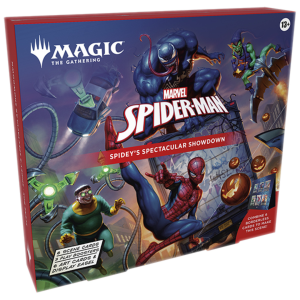
7 best ways to use the Soul Stone MTG card
The Soul Stone MTG card is flexible, but it shines brightest in a few clear shells. These are the strategies where it consistently earns its slot.
1. Aristocrats and sacrifice decks
Sacrifice decks already want creatures moving between the battlefield and the graveyard. The Soul Stone MTG engine gives them free value: sacrifice a creature for value, then bring back the best one at your next upkeep. Exiling a token to harness costs almost nothing in these lists.
2. Enters-the-battlefield value
Creatures with strong enter abilities get better every time they return. A creature that draws cards, removes a threat or makes tokens when it enters becomes a repeatable effect once the Soul Stone MTG trigger is online.
3. Self-mill and graveyard decks
If your deck fills its own graveyard with milling or discard, the Soul Stone MTG trigger will rarely run out of targets. Every upkeep becomes a free reanimation of the biggest threat you binned.
4. Big creature reanimator
Classic reanimator decks discard a huge creature and cheat it into play. The Soul Stone is slower than a one-mana reanimation spell, but it repeats, so it pairs well as a backup plan when your first fatty gets removed.
5. Ramp in black-based Commander decks
Even unharnessed, a two-mana indestructible mana rock is solid. Black decks often struggle for ramp outside of Sol Ring and Arcane Signet, so the stone fills a real role on turn two and still has late-game upside.
6. Leaves-the-graveyard synergies
Some cards reward you when a creature card leaves your graveyard. The Soul Stone’s trigger turns those payoffs into reliable once-per-turn effects without spending a card.
7. Infinity Stone and Marvel theme decks
Theme decks built around Thanos, villains or the Infinity Gauntlet story are the most fun home for the card. Pair it with The Mind Stone and other stones as they appear, and your table will instantly recognise the flavor.
Commander decks that want the Soul Stone MTG card
Commander is where the stone sees the most play, because games last long enough for the harness cost to pay off. Any commander with black in its color identity can run it. The best fits are commanders that care about creatures dying, entering or returning from the graveyard.
- Mono-black sacrifice commanders: they generate fodder for the harness cost and value from every death.
- Golgari graveyard commanders: green self-mill keeps the yard stocked with targets.
- Orzhov blink and recursion: white adds more enter-the-battlefield creatures to recur.
- Grixis villain decks: the Marvel theme fits, and blue adds card selection to set up the graveyard.
Browse our MTG singles for supporting cards, and pick up staple ramp alongside the stone so your deck reaches seven mana on time.
Is it good in Standard and other formats?
Marvel’s Spider-Man was released as a Standard-legal Universes Beyond set, so the card has been legal in Standard, Pioneer, Modern and the Eternal formats. Seven mana is a lot for faster formats, though, so most competitive players treat it as a mana rock with late-game upside rather than a core engine. Check the current legality on the official site before a tournament, because ban lists and rotation change at the time of writing (November 2026) and beyond.
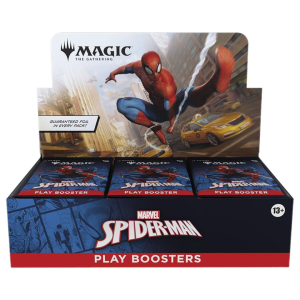
Combos and synergies to try
You do not need an infinite combo to make the Soul Stone MTG card feel unfair. A few simple pairings create a lot of repeated value.
- Free sacrifice outlets: sacrifice the creature you returned before your next upkeep, then return it again.
- Death triggers: creatures that drain or draw when they die give you value on both ends of the loop.
- Token makers: they give you cheap bodies to exile for the harness cost.
- Graveyard tutors: cards that put a specific creature into your graveyard let you choose what comes back.
A common loop looks like this: your upkeep trigger returns a creature that makes value when it enters, you use it during your turn, then you sacrifice it for another effect. Next upkeep it comes back again. That is one free card’s worth of value every turn cycle from a single artifact.
Cards that counter your plan
Know your weak spots. Graveyard exile effects remove your targets, artifact exile answers get around indestructible, and effects that stop creatures entering from graveyards shut the stone down. Keep a couple of protection spells or redundant recursion so one answer does not end your strategy.
Collecting the Soul Stone MTG card
The Soul Stone MTG card has several versions, so collectors have choices. Marvel crossover sets typically include standard frames, borderless or showcase treatments and foil versions from Collector Boosters. Each version plays exactly the same in a deck, but the special treatments usually sell for more and hold attention from collectors and Marvel fans alike.
- Check the collector number and set code to confirm which version you are getting.
- Inspect foils for curling and edge wear before you buy or sell.
- Consider grading for a mint special-treatment copy; our graded cards section shows how slabbed Magic singles are presented.
Prices on mythic rares from popular crossovers move quickly, especially after a new Marvel set brings fresh attention to the Infinity Stones. We never quote prices here because they change too often; compare current listings and condition before you commit.
Opening packs versus buying singles
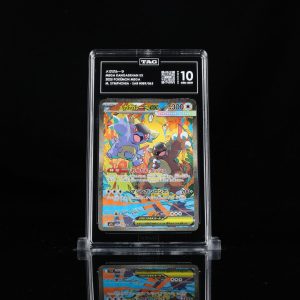
Because the Soul Stone MTG card is a mythic, pulling it from a pack is never guaranteed. If you want it for a deck, buying the single is almost always the cheaper and faster route. If you enjoy opening product, a booster box gives you the full set experience and plenty of other Marvel cards to trade. You can also try your luck with our mystery boxes for a surprise mix of product.

Building around the Soul Stone MTG card: a sample core
If you want a quick starting point, build a black-green Commander deck with this rough structure and adjust to your collection:
- About ten ramp pieces, including the Soul Stone MTG rock, Sol Ring and Arcane Signet.
- Twelve to fifteen creatures with strong enter or death triggers.
- Six to eight self-mill or discard effects to stock the graveyard.
- Four to six sacrifice outlets, ideally free ones.
- Eight to ten removal spells and a few protection pieces like Heroic Intervention.
- Thirty-five to thirty-seven lands.
This structure gets you to the harness cost by the mid-game, keeps the graveyard full and lets you protect the engine once it is running. Add sleeves and deck boxes to keep a valuable mythic safe during play.
Soul Stone MTG FAQ
What set is the Soul Stone MTG card from?
The Soul Stone is from Marvel’s Spider-Man, a Universes Beyond set released in 2025. It is a mythic rare, collector number 66.
Does the creature I exile to harness come back?
No. The harness cost exiles the creature, and the infinity ability only returns creature cards from your graveyard. Choose your exiled creature carefully.
Do I need to harness it every turn?
No. Harnessing is a one-time payment. The stone stays harnessed as long as it remains on the battlefield, and its upkeep trigger keeps working each turn.
Is the Soul Stone MTG card good in Commander?
Yes, especially in black sacrifice, graveyard and enter-the-battlefield decks. It ramps early and becomes a repeatable reanimation engine late.
Can I sell or trade my copy?
Yes. Our sell and trade page explains how to offer cards for cash or store credit, and you can contact us with questions about specific versions.
Buying Soul Stone MTG online: a practical checklist
Shopping for Soul Stone MTG online is convenient, but a little preparation helps you get exactly what you expect. Use this checklist every time you buy Magic: The Gathering products, whether you are picking up a single card, a sealed box or a premium collection.
Before you order
- Confirm the exact product. Check the set name, card number, language and finish in the listing title and photos.
- Read the condition. Singles are usually listed as Near Mint, Lightly Played or similar. Graded cards show the grading company and grade.
- Check stock status. In-stock items ship sooner than pre-orders, which ship when the product releases.
- Compare value, not just price. A bundle with sleeves, dice or promos may be better value than packs alone.
- Know the policies. Read the shipping, returns and contact information before checkout.
When your order arrives
- Open the parcel carefully and check that everything matches the order.
- Inspect singles and slabs under good light straight away.
- Sleeve and store cards immediately so they keep their condition.
- Contact the store quickly if anything is wrong, with photos of the item and packaging.
How to store and care for Soul Stone MTG
Good storage protects both the look and the value of Soul Stone MTG. Cards are made of layered paper and ink, so heat, light, moisture and pressure all cause damage over time. A few simple habits make a big difference.
- Sleeve first. A soft penny sleeve stops scratches and fingerprints.
- Add rigid protection. Toploaders or semi-rigid holders stop bends for valuable cards.
- Choose the right binder. Side-loading, acid-free binders keep cards secure and easy to view. Avoid ring binders that press into cards.
- Control the environment. Keep cards in a cool, dry room away from windows, radiators and damp basements.
- Store sealed product flat. Boxes and tins last longer stored flat and out of direct light.
- Handle with clean, dry hands. Oils and moisture can mark card surfaces.
You can find sleeves, toploaders, binders and deck boxes in our TCG accessories range.
Useful terms for Soul Stone MTG collectors
- Single: an individual card sold on its own.
- Sealed: unopened product in its original factory wrap.
- Pull rate: how often a type of card appears in packs.
- Chase card: the most wanted card in a set.
- Slab: a card graded and sealed in a hard plastic case.
- NM / LP / MP / HP: condition grades from Near Mint to Heavily Played.
- Reprint: a card printed again in a later product.
- Pre-order: reserving a product before its release date.
Common mistakes to avoid with Soul Stone MTG
Even experienced collectors make avoidable mistakes. Keeping these in mind will save you money and protect your cards.
- Chasing one card through endless packs. If you need a specific card, the single is almost always the cheaper route.
- Skipping protection. A card left unsleeved for a day can pick up a scratch that lowers its value.
- Buying on hype alone. Prices can move quickly after a release. Check several recent sales before paying a premium.
- Ignoring condition notes. Two copies of the same card can differ greatly in value because of wear.
- Storing cards in the wrong place. Attics, garages and sunny windowsills are hard on cardboard.
- Forgetting your goal. A clear plan, such as finishing a set or upgrading a deck, keeps spending focused.
A simple plan to get started with Soul Stone MTG
- Set a goal. Decide whether you are collecting, playing or both.
- Set a monthly budget. Spending a fixed amount keeps the hobby fun and sustainable.
- Mix sealed and singles. Open packs for enjoyment and buy singles for the cards you really need.
- Protect as you go. Sleeves and toploaders cost little compared with the cards they protect.
- Track your collection. A simple list shows what you own and what you still want.
- Sell or trade duplicates. Turn cards you do not need into new additions through a trusted store.
Why shop for Soul Stone MTG at TCG Store USA
TCG Store USA is an online trading card shop for collectors and players. We list Magic: The Gathering products with clear titles and photos, separate in-stock items from pre-orders, and offer a sell and trade service when you want to turn cards into cash or store credit. Browse our singles, booster boxes and graded cards, or contact us with any question about an order or product. For official news, rules and release announcements, visit the official Magic: The Gathering site.
Final thoughts on Soul Stone MTG
The Soul Stone MTG card rewards patience. Early it is a sturdy two-mana rock; later it becomes a reanimation engine that grinds out value every upkeep. Build a deck that keeps its graveyard full and its creatures cycling, and the stone will carry long Commander games. Explore the rest of the TCG Store USA shop to round out your Infinity Stone deck.