
MTG Rules: The Complete Beginner Guide in 10 Easy, Friendly Steps
Learning MTG rules can feel intimidating at first, but the core of Magic: The Gathering is surprisingly approachable. Two or more players use decks of cards to cast spells, summon creatures and reduce each other’s life to zero. This beginner guide explains the essential MTG rules: how a turn works, what each card type does, how mana works, what the stack is, how combat plays out and every common way to win.
You do not need to memorize the full Comprehensive Rules to start playing. Most games run on a small set of ideas, and once those click, everything else builds naturally on top of them.
MTG rules basics: the goal of the game
In most formats, each player starts at 20 life. In Commander, the most popular casual format, players start at 40. You win by reducing your opponent’s life to zero, but there are other ways too, which we will cover later. Each player uses their own deck, typically 60 cards in constructed formats like Standard, 40 in Limited formats like draft, or exactly 100 in Commander.
At the start of the game, shuffle your deck and draw seven cards. If you do not like your hand, you can mulligan. Under the current London mulligan rule, you shuffle your hand back, draw seven again, and then put one card on the bottom of your library for each mulligan you have taken.
Card types every beginner should know
Understanding card types is the backbone of MTG rules. Each type tells you when you can play the card and what it does once it resolves.
- Lands: your mana sources. You can normally play one land per turn, during your main phase.
- Creatures: permanents that attack and block. Each has power and toughness, shown as two numbers.
- Instants: spells you can cast at almost any time, even on your opponent’s turn.
- Sorceries: one-time spells you cast only during your own main phase when the stack is empty.
- Artifacts: permanents representing objects, like Sol Ring or equipment.
- Enchantments: permanents with ongoing magical effects.
- Planeswalkers: powerful allies with loyalty abilities that can be attacked.
- Battles: a newer permanent type that players attack to unlock effects.
Permanents stay on the battlefield after they resolve. Instants and sorceries resolve and then go to the graveyard.
Mana and mana costs
Mana is the resource that pays for spells. Magic has five colors: white, blue, black, red and green, plus colorless mana. A card’s mana cost appears in the top right corner. A cost with a number and colored symbols means you need that much generic mana plus the specific colors shown. Lands usually tap for one mana each, and some artifacts, such as Sol Ring or Arcane Signet, add extra mana.
Turn structure in MTG rules
Every turn follows the same order of phases. Learning this sequence is the single biggest step toward feeling comfortable with MTG rules.
- Beginning phase: untap your permanents, handle upkeep triggers, then draw a card. The player who goes first skips their first draw in two-player games.
- First main phase: play a land, cast creatures, sorceries and other spells.
- Combat phase: declare attackers, your opponent declares blockers, and damage is dealt.
- Second main phase: play a land if you have not yet, and cast more spells.
- Ending phase: handle end-of-turn triggers, discard down to seven cards and remove “until end of turn” effects.
A helpful habit is to cast most creatures after combat unless they need to attack or affect combat. That keeps information hidden from your opponent.
Tapping and untapping
When you use a permanent, such as tapping a land for mana or attacking with a creature, you turn it sideways. Tapped permanents cannot be tapped again until they untap, which normally happens at the start of your next turn.
The stack: how MTG rules handle responses
The stack is the part of MTG rules that confuses beginners most, but the idea is simple. When a spell is cast or an ability is activated or triggered, it goes on the stack and waits. Each player then gets a chance to respond. Responses go on top. When everyone passes without adding anything, the top item resolves first.
Think of it like a pile of plates: the last plate placed is the first one removed. If you cast a removal spell on a creature and your opponent responds with a spell that protects it, their protection resolves first, and your removal may then fail.
- Priority: the right to cast a spell or activate an ability. The active player gets it first.
- Last in, first out: the most recent spell or ability resolves first.
- Mana abilities: tapping a land for mana does not use the stack.
- Land drops: playing a land does not use the stack and cannot be responded to.
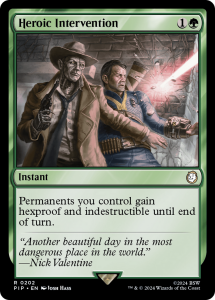
A great example is Heroic Intervention, an instant that can protect your permanents in response to a destruction spell. Understanding the stack shows you exactly why that timing works.
Combat explained
Combat is where most games are won. During the combat phase, you choose which untapped creatures attack and whom or what they attack: a player, a planeswalker or a battle. Creatures that came under your control this turn cannot attack, a rule known as summoning sickness, unless they have haste.
Step-by-step combat
- Declare attackers: tap the creatures that will attack.
- Declare blockers: the defending player chooses which untapped creatures block. One blocker can stop one attacker; several blockers can team up on one attacker.
- Combat damage: each creature deals damage equal to its power. Unblocked attackers damage the player or permanent they attacked.
- End of combat: creatures with damage equal to or greater than their toughness are destroyed.
Players can cast instants and activate abilities during combat, which leads to tricks like pumping a creature after blocks. Keywords such as flying, trample, first strike, deathtouch and lifelink change how combat works, so read each card carefully.
Common keywords in MTG rules
- Flying: can only be blocked by creatures with flying or reach.
- Trample: excess damage beyond what is needed to destroy blockers goes to the defender.
- Deathtouch: any damage this creature deals to a creature is lethal.
- Lifelink: damage dealt also gains you that much life.
- Haste: can attack or tap the turn it arrives.
- Vigilance: attacking does not cause it to tap.
- Hexproof: cannot be targeted by opponents’ spells or abilities.
Equipment like Swiftfoot Boots can grant keywords, such as hexproof and haste, which makes them popular in Commander.
How to win a game of Magic
MTG rules include several ways to win, and knowing them helps you plan.
- Reduce life to zero: the most common win, usually through combat or direct damage.
- Decking: a player who must draw from an empty library loses the next time state-based actions are checked.
- Poison counters: a player with ten or more poison counters loses.
- Commander damage: in Commander, 21 combat damage from a single commander causes a loss.
- Alternate win cards: some cards state that you win the game when certain conditions are met.
- Concession: a player can concede at any time.
Learning MTG rules faster
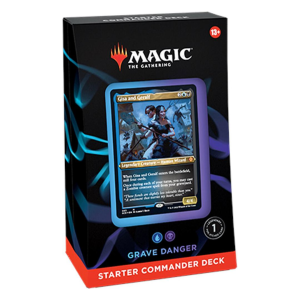
The quickest route is to play. Start with a preconstructed deck, such as a Starter Commander deck, so you are not worried about deck building. Play a few slow games with a friend who knows MTG rules, and talk through each step. Magic Arena and local store events are also great ways to practice.
For official references, the official Magic rules page offers the basic rules and the Comprehensive Rules. To look up exact card wording and rulings, use Scryfall or Gatherer.
Beginner product suggestions
Preconstructed Commander decks are ideal for groups, while booster boxes are great for drafting with friends. If you want to upgrade a deck, our MTG singles include staples like Sol Ring, Arcane Signet and Swiftfoot Boots. Protect your new cards with sleeves and deck boxes from our accessories. For variety, collections and mystery boxes offer lots of cards to experiment with.
Common beginner mistakes
- Forgetting to untap or draw at the start of the turn.
- Attacking with a creature that has summoning sickness.
- Casting sorceries during an opponent’s turn.
- Playing two lands in one turn without an effect allowing it.
- Forgetting that responses resolve before the original spell.
MTG rules for Commander games
Commander adds a few extra MTG rules on top of the basics. Your deck has exactly 100 cards, including your commander, a legendary creature that starts in the command zone. Apart from basic lands, every card is a single copy, and every card must match your commander’s color identity. You can cast your commander from the command zone, and each time you cast it from there after the first, it costs two more generic mana.
Multiplayer games also change how you think about the MTG rules you already know. Threats are shared across the table, politics matter, and you will often hold up responses for several opponents at once. Learning when to pass priority, and when to step in on someone else’s turn, is part of the fun.
State-based actions and triggers
Some MTG rules happen automatically. State-based actions check things like a player at zero life or a creature with lethal damage, and they apply whenever a player would receive priority. Triggered abilities, which start with words like “when,” “whenever” or “at,” go on the stack when their event happens. If you control several triggers at once, you choose their order on the stack.
Reading a card correctly
When in doubt about MTG rules, read the card exactly as written. Words like “target,” “may” and “each” matter. Cards also get updated wording, called Oracle text, and that official version is what counts in a game. Looking up rulings on a card before a tournament is a habit that saves arguments later.
Game etiquette alongside the rules
Good habits make games smoother. Announce what you are casting and what it targets, keep your permanents clearly visible, and pause briefly after casting a spell so opponents can respond. These are not formal MTG rules in casual play, but they prevent confusion and make the game more fun for everyone. Most experienced players happily explain interactions if you ask politely.
When a disagreement comes up, look up the card and the relevant MTG rules together rather than arguing from memory. At a store event, call a judge, who will explain the ruling and keep the game moving fairly.
MTG rules FAQ
How many cards do you draw at the start?
Each player draws seven cards. You may mulligan using the London mulligan rule if you do not like your hand.
Can I play more than one land per turn?
Normally, you can play only one land per turn, unless a card’s effect allows more.
What is the difference between an instant and a sorcery?
Instants can be cast at almost any time, including on your opponent’s turn. Sorceries can only be cast during your main phase when the stack is empty.
Where can I read the full MTG rules?
The Comprehensive Rules are available on the official Magic website and are updated with new sets.
What happens when a creature’s toughness hits zero?
It is put into its owner’s graveyard as a state-based action, even if nothing destroyed it directly.
Buying MTG rules online: a practical checklist
Shopping for MTG rules online is convenient, but a little preparation helps you get exactly what you expect. Use this checklist every time you buy Magic: The Gathering products, whether you are picking up a single card, a sealed box or a premium collection.
Before you order
- Confirm the exact product. Check the set name, card number, language and finish in the listing title and photos.
- Read the condition. Singles are usually listed as Near Mint, Lightly Played or similar. Graded cards show the grading company and grade.
- Check stock status. In-stock items ship sooner than pre-orders, which ship when the product releases.
- Compare value, not just price. A bundle with sleeves, dice or promos may be better value than packs alone.
- Know the policies. Read the shipping, returns and contact information before checkout.
When your order arrives
- Open the parcel carefully and check that everything matches the order.
- Inspect singles and slabs under good light straight away.
- Sleeve and store cards immediately so they keep their condition.
- Contact the store quickly if anything is wrong, with photos of the item and packaging.
How to store and care for MTG rules
Good storage protects both the look and the value of MTG rules. Cards are made of layered paper and ink, so heat, light, moisture and pressure all cause damage over time. A few simple habits make a big difference.
- Sleeve first. A soft penny sleeve stops scratches and fingerprints.
- Add rigid protection. Toploaders or semi-rigid holders stop bends for valuable cards.
- Choose the right binder. Side-loading, acid-free binders keep cards secure and easy to view. Avoid ring binders that press into cards.
- Control the environment. Keep cards in a cool, dry room away from windows, radiators and damp basements.
- Store sealed product flat. Boxes and tins last longer stored flat and out of direct light.
- Handle with clean, dry hands. Oils and moisture can mark card surfaces.
You can find sleeves, toploaders, binders and deck boxes in our TCG accessories range.
Useful terms for MTG rules collectors
- Single: an individual card sold on its own.
- Sealed: unopened product in its original factory wrap.
- Pull rate: how often a type of card appears in packs.
- Chase card: the most wanted card in a set.
- Slab: a card graded and sealed in a hard plastic case.
- NM / LP / MP / HP: condition grades from Near Mint to Heavily Played.
- Reprint: a card printed again in a later product.
- Pre-order: reserving a product before its release date.
Common mistakes to avoid with MTG rules
Even experienced collectors make avoidable mistakes. Keeping these in mind will save you money and protect your cards.
- Chasing one card through endless packs. If you need a specific card, the single is almost always the cheaper route.
- Skipping protection. A card left unsleeved for a day can pick up a scratch that lowers its value.
- Buying on hype alone. Prices can move quickly after a release. Check several recent sales before paying a premium.
- Ignoring condition notes. Two copies of the same card can differ greatly in value because of wear.
- Storing cards in the wrong place. Attics, garages and sunny windowsills are hard on cardboard.
- Forgetting your goal. A clear plan, such as finishing a set or upgrading a deck, keeps spending focused.
A simple plan to get started with MTG rules
- Set a goal. Decide whether you are collecting, playing or both.
- Set a monthly budget. Spending a fixed amount keeps the hobby fun and sustainable.
- Mix sealed and singles. Open packs for enjoyment and buy singles for the cards you really need.
- Protect as you go. Sleeves and toploaders cost little compared with the cards they protect.
- Track your collection. A simple list shows what you own and what you still want.
- Sell or trade duplicates. Turn cards you do not need into new additions through a trusted store.
Why shop for MTG rules at TCG Store USA
TCG Store USA is an online trading card shop for collectors and players. We list Magic: The Gathering products with clear titles and photos, separate in-stock items from pre-orders, and offer a sell and trade service when you want to turn cards into cash or store credit. Browse our singles, booster boxes and graded cards, or contact us with any question about an order or product. For official news, rules and release announcements, visit the official Magic: The Gathering site.
Final thoughts on MTG rules
MTG rules become second nature once you play a few games. Focus on turn structure, card types, the stack and combat, and pick up the details as you go. When you are ready to build or upgrade a deck, browse our shop, sell spare cards through the sell and trade page, or ask our team a question on the contact page.