
Rare Pokémon Cards: 25 Best Chase Cards and How to Spot Them
Rare Pokémon cards are the reason many collectors open packs, chase sets and build binders. This guide explains what makes rare Pokémon cards rare, how to read the rarity symbols on every card, which modern and vintage cards collectors chase most, and how to protect and value the rare Pokémon cards you already own.
What makes rare Pokémon cards rare?
Three things decide how rare a Pokémon card is: how often it is printed, how hard it is to pull from a pack, and how many copies survive in good condition. A card can be printed in large numbers and still be scarce in top condition, while a promo given out at a single event can be rare simply because so few were ever made.
The Pokémon Company sets the printed rarity of every card. That rarity is shown on the card itself, which makes it easy to identify rare Pokémon cards once you know where to look.
Where to find the rarity symbol
Look at the bottom of the card, near the card number. Modern cards use a small symbol to show rarity:
- Circle: common.
- Diamond: uncommon.
- Star: rare.
- Two black stars: double rare, used for many ex cards.
- Silver stars: ultra rare, such as full art cards.
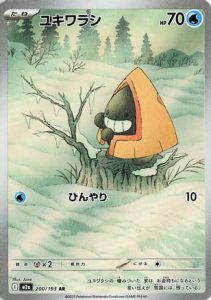
- One gold star: illustration rare.
- Two gold stars: special illustration rare.
- Three gold stars: hyper rare, often gold-bordered cards.
Card numbers and secret rares
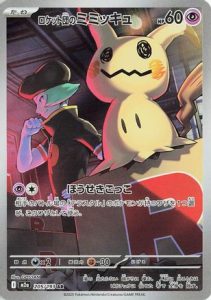
Every card shows a number such as 045/191. When the first number is higher than the second, for example 228/193, the card is a secret rare. Secret rares sit outside the main set list and are among the hardest rare Pokémon cards to pull from any modern expansion.
The different types of rare Pokémon cards
Not all rare Pokémon cards are rare in the same way. Here are the main categories collectors talk about.
Holofoil rares
Holofoil rares have a shiny, holographic picture area. In older sets, the holo rare was the best card you could pull from a pack, which is why vintage holos are still treasured today.
Full art and ultra rare cards
Full art cards extend the artwork across the whole card, often with a textured surface. Full art Pokémon and full art trainers are popular because they look striking in a binder.
Illustration rares and special illustration rares
Illustration rares showcase artwork that tells a small story about the Pokémon, often in a completely different style from the standard card. Special illustration rares, sometimes shortened to SIR, take this further and are some of the most sought-after rare Pokémon cards of the modern era.
Gold and hyper rare cards
Gold cards and hyper rares use metallic gold borders and textures. They are usually the very last cards in a set’s numbering and are among the hardest pulls.
Promo cards
Promos are released through collections, tins, events and special products rather than booster packs. Some promos are easy to find, but event-exclusive promos can be extremely rare.
Japanese exclusives
Some cards and sets only release in Japan. Japanese High Class Packs, for example, are known for packing many full arts and secret rares into every box. Explore our Japanese Pokémon cards for Japan-exclusive products.
25 rare Pokémon cards collectors chase
Every collector has their own list, but the same names appear again and again. Here are 25 rare Pokémon cards and card types that collectors consistently chase, grouped by era.
Vintage grails
- Pikachu Illustrator: a promotional card from an illustration contest in Japan, widely considered the rarest Pokémon card.
- First Edition Base Set Charizard: the most famous vintage holo, especially in high grades.
- Shadowless Base Set holos: early prints without the drop shadow on the art box.
- Trophy cards: awarded to tournament winners in very small numbers.
- Gold Star cards: rare shiny Pokémon cards from the EX era.
- Crystal cards: e-Card era cards such as Crystal Lugia and Crystal Charizard.
- Shining Pokémon: shiny variants from the Neo era, such as Shining Celebi.
- First Edition Neo holos: early prints from the Neo sets, including Lugia.
Modern favourites
- Special illustration rare Charizard ex cards: Charizard remains the most popular Pokémon in the hobby.
- Umbreon alternate and special art cards: fan favourites with famously beautiful artwork.
- Pikachu special illustration rares: the mascot is always in demand.
- Mega Evolution ex secret rares: including Mega Lucario ex, Mega Gardevoir ex and Mega Charizard X ex.
- Trainer special illustration rares: featuring popular characters such as Iono, Lillie and Cynthia.
- Gold hyper rare items and energies: the final numbers in modern sets.
- Team Rocket themed rares: including Team Rocket’s Mewtwo ex.
- Eeveelution special arts: Espeon, Sylveon, Glaceon and their relatives.
- Rayquaza alternate arts: consistently among the most valuable modern cards.
Japanese and special products
- High Class Pack secret rares: such as the Mega Dream ex singles in our store.
- Pokémon Center exclusive promos: sold only through official Pokémon Centers.
- Art collaboration promos: limited releases with museums and artists.
- Anniversary cards: special releases for milestone anniversaries, including the 30th Celebration.
- World Championships promos: given to players at major events.
- Staff promos: stamped versions given to event staff.
- Error cards: misprints and miscuts that collectors seek out.
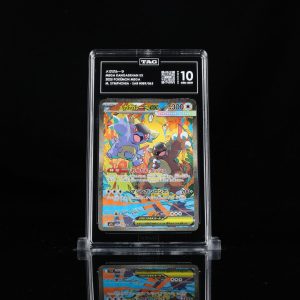
- High-grade slabs: any popular card in a PSA 10 or equivalent grade.
How to tell if you own rare Pokémon cards
If you have a stack of old cards, use this quick checklist to find the rare Pokémon cards worth looking at more closely.
- Check the rarity symbol. Stars mean rare or better.
- Check the number. Numbers above the set total are secret rares.
- Look for holofoil. Shiny artwork usually means a rare.
- Look for a First Edition stamp. On vintage cards, it sits to the left of the art box.
- Check the art style. Full arts and illustration rares stand out immediately.
- Note the language. Japanese and English cards are valued differently.
Spotting fake rare Pokémon cards
Because rare Pokémon cards are valuable, fakes exist. Warning signs include washed-out colours, the wrong font, a glossy finish where there should be texture, holo patterns that look printed rather than reflective, and card backs with the wrong shade of blue. Compare suspicious cards against a known genuine card from the same set, and buy from sellers who list cards clearly with real photos.
What affects the value of rare Pokémon cards?
Rarity is only the starting point. These factors decide how much rare Pokémon cards are actually worth.
- Condition: clean corners, edges and surfaces make a huge difference.
- Grading: a professionally graded card removes doubt about condition.
- Demand: popular Pokémon such as Charizard, Pikachu and Umbreon command higher prices.
- Artwork: collectors pay more for beautiful or unusual art.
- Print run: older and limited releases are scarcer.
- Language: some cards are worth more in Japanese, others in English.
For a deeper look at prices, read our guide to Pokémon singles and check recent graded sales on the PSA price guide.
Where to buy rare Pokémon cards
There are two main ways to add rare Pokémon cards to your collection: open sealed product and hope, or buy the exact card you want.
Opening packs
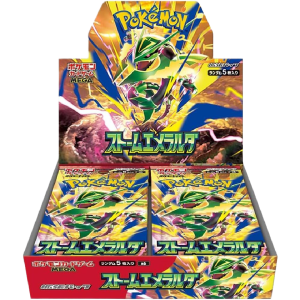
Opening booster boxes is exciting, and every pack is a chance at a rare. But pull rates mean you may open many packs before you hit a specific card. Opening is best when you enjoy the experience and want a mix of cards from a set.
Buying singles
Buying singles is the most reliable way to get specific rare Pokémon cards. You choose the card, the printing and the condition, and you know the price before you buy. Our store lists Pokémon singles with their card number and set, so you can find the exact secret rare or illustration rare you need.
Buying graded cards
For high-value rare Pokémon cards, graded slabs give the most confidence. Browse our graded Pokémon cards, or try a mystery slab for a surprise graded pull.
How to protect rare Pokémon cards
Once you own rare Pokémon cards, protecting them is just as important as finding them.
- Sleeve immediately: place each card in a soft penny sleeve as soon as you pull it.
- Use rigid protection: slide sleeved cards into toploaders for long-term storage.
- Store in a side-loading binder: ideal for displaying a collection.
- Keep away from sunlight: UV light fades colours over time.
- Control humidity: damp conditions can warp cards.
- Consider grading: grading seals valuable cards in a protective case.
Find sleeves, toploaders and binders in our TCG accessories section.
Should you grade rare Pokémon cards?
Grading makes sense for rare Pokémon cards that are valuable and in excellent condition. Grading companies such as PSA, BGS, CGC and TAG inspect centering, corners, edges and surface, then give the card a score from 1 to 10. A high grade can add significant value and makes the card easier to sell later. For cards with visible wear, grading may cost more than it adds.
Questions to ask before grading
- Is the card worth more graded than the cost of grading?
- Are the corners sharp and the surface clean?
- Is the card well centred front and back?
- Do you plan to keep the card long term or sell it?
Building a collection of rare Pokémon cards
A focused goal makes collecting rare Pokémon cards more rewarding. Some collectors chase every special illustration rare from one set, others collect every card of their favourite Pokémon, and some focus on one artist. Whatever you choose, keep a checklist, buy the hardest cards as singles, and protect everything as you go.
Collecting tips
- Pick one set or one Pokémon to start.
- Track card numbers in a spreadsheet.
- Buy the expensive chase cards as singles rather than chasing them in packs.
- Store your collection in a binder sorted by number.
- Photograph your best cards for your records.
Selling rare Pokémon cards
If you have rare Pokémon cards you no longer want, you can sell or trade them. Send your list through our sell and trade page and we will reply with an offer in cash or store credit. Include the card name, set, number and condition for the fastest response.
Rare Pokémon cards FAQ
What is the rarest Pokémon card?
Pikachu Illustrator is widely regarded as the rarest Pokémon card, with very few copies known to exist. Trophy cards from early tournaments are also extremely scarce.
Are holo cards always rare Pokémon cards?
Holofoil usually indicates a rare, but reverse holo commons and uncommons also exist. Check the rarity symbol to be sure.
Are Japanese rare Pokémon cards worth less than English ones?
Not necessarily. Some Japanese cards are worth more because of exclusive art or limited releases, while others are worth less. Demand decides the value.
How do I check what my rare Pokémon cards are worth?
Look up recent sales of the same card in the same condition, and check graded sales on price guides. The official Pokémon card database helps you confirm the exact card and set.
Where can I buy rare Pokémon cards online?
Browse our Pokémon singles, graded cards and booster boxes. Every listing shows the product name, price and photos.
Pull rates and rare Pokémon cards
Pull rates explain why some rare Pokémon cards feel impossible to find. Every booster pack contains a fixed structure of commons, uncommons and at least one rare slot, plus reverse holo slots in most modern sets. The very best cards, such as special illustration rares and hyper rares, appear far less often than a standard rare. That is why opening a whole booster box does not guarantee a specific chase card.
The Pokémon Company does not publish exact pull rates, so collectors estimate them by recording large numbers of openings. Those estimates vary between sets, and they change when a set is printed again. Treat any pull rate you read online as an estimate, not a promise.
What pull rates mean for your budget
- If you want one specific card, buying the single is usually cheaper than opening packs.
- If you enjoy opening, set a budget and treat any big hit as a bonus.
- Booster boxes give you a broad spread of a set, which is good for building a binder.
- Elite Trainer Boxes add accessories, which helps if you also play.
Rare Pokémon cards by artist
Many collectors now chase rare Pokémon cards by illustrator rather than by Pokémon. Every card names its artist in the bottom corner. Artists such as Mitsuhiro Arita, who drew the original Base Set Charizard, and Ken Sugimori, the original Pokémon designer, have long and loved careers in the TCG. Modern illustration rares introduced many new artists with very different styles, from watercolour to digital painting. Collecting by artist is a creative way to build a binder that looks unique, and it often leads you to beautiful cards that are less expensive than the most famous chase cards.
Ideas for an artist binder
- Pick one illustrator and collect every card they have drawn in one era.
- Collect every illustration rare from one set to compare styles.
- Mix English and Japanese prints of the same artwork.
- Add signed cards if you meet artists at events.
Japanese versus English rare Pokémon cards
Japanese and English sets do not always line up one to one. Japanese sets are usually smaller and release first, and several of them are combined into a larger English set later. Some cards appear only in Japanese products such as High Class Packs or special promos. Japanese cards also use slightly different card stock and print quality, which some collectors prefer for grading. If you collect rare Pokémon cards in both languages, label your binders clearly and record which version you own so you can value each one correctly.
Red flags when buying rare Pokémon cards
- Listings with stock photos instead of photos of the actual card.
- Prices far below recent sales for the same card and condition.
- Graded slabs with certificate numbers that do not match the grading company’s lookup.
- Sellers who will not answer questions about condition.
- Cards described as “mint” with visible whitening in the photos.
Buying from a store with clear listings, real photos and a contact page reduces these risks and makes collecting rare Pokémon cards more enjoyable.
Buying rare Pokémon cards online: a practical checklist
Shopping for rare Pokémon cards online is convenient, but a little preparation helps you get exactly what you expect. Use this checklist every time you buy Pokémon TCG products, whether you are picking up a single card, a sealed box or a premium collection.
Before you order
- Confirm the exact product. Check the set name, card number, language and finish in the listing title and photos.
- Read the condition. Singles are usually listed as Near Mint, Lightly Played or similar. Graded cards show the grading company and grade.
- Check stock status. In-stock items ship sooner than pre-orders, which ship when the product releases.
- Compare value, not just price. A bundle with sleeves, dice or promos may be better value than packs alone.
- Know the policies. Read the shipping, returns and contact information before checkout.
When your order arrives
- Open the parcel carefully and check that everything matches the order.
- Inspect singles and slabs under good light straight away.
- Sleeve and store cards immediately so they keep their condition.
- Contact the store quickly if anything is wrong, with photos of the item and packaging.
How to store and care for rare Pokémon cards
Good storage protects both the look and the value of rare Pokémon cards. Cards are made of layered paper and ink, so heat, light, moisture and pressure all cause damage over time. A few simple habits make a big difference.
- Sleeve first. A soft penny sleeve stops scratches and fingerprints.
- Add rigid protection. Toploaders or semi-rigid holders stop bends for valuable cards.
- Choose the right binder. Side-loading, acid-free binders keep cards secure and easy to view. Avoid ring binders that press into cards.
- Control the environment. Keep cards in a cool, dry room away from windows, radiators and damp basements.
- Store sealed product flat. Boxes and tins last longer stored flat and out of direct light.
- Handle with clean, dry hands. Oils and moisture can mark card surfaces.
You can find sleeves, toploaders, binders and deck boxes in our TCG accessories range.
Useful terms for rare Pokémon cards collectors
- Single: an individual card sold on its own.
- Sealed: unopened product in its original factory wrap.
- Pull rate: how often a type of card appears in packs.
- Chase card: the most wanted card in a set.
- Slab: a card graded and sealed in a hard plastic case.
- NM / LP / MP / HP: condition grades from Near Mint to Heavily Played.
- Reprint: a card printed again in a later product.
- Pre-order: reserving a product before its release date.
Common mistakes to avoid with rare Pokémon cards
Even experienced collectors make avoidable mistakes. Keeping these in mind will save you money and protect your cards.
- Chasing one card through endless packs. If you need a specific card, the single is almost always the cheaper route.
- Skipping protection. A card left unsleeved for a day can pick up a scratch that lowers its value.
- Buying on hype alone. Prices can move quickly after a release. Check several recent sales before paying a premium.
- Ignoring condition notes. Two copies of the same card can differ greatly in value because of wear.
- Storing cards in the wrong place. Attics, garages and sunny windowsills are hard on cardboard.
- Forgetting your goal. A clear plan, such as finishing a set or upgrading a deck, keeps spending focused.
A simple plan to get started with rare Pokémon cards
- Set a goal. Decide whether you are collecting, playing or both.
- Set a monthly budget. Spending a fixed amount keeps the hobby fun and sustainable.
- Mix sealed and singles. Open packs for enjoyment and buy singles for the cards you really need.
- Protect as you go. Sleeves and toploaders cost little compared with the cards they protect.
- Track your collection. A simple list shows what you own and what you still want.
- Sell or trade duplicates. Turn cards you do not need into new additions through a trusted store.
Why shop for rare Pokémon cards at TCG Store USA
TCG Store USA is an online trading card shop for collectors and players. We list Pokémon TCG products with clear titles and photos, separate in-stock items from pre-orders, and offer a sell and trade service when you want to turn cards into cash or store credit. Browse our singles, booster boxes and graded cards, or contact us with any question about an order or product. For official news, rules and release announcements, visit the official Pokémon TCG site.
Final thoughts on rare Pokémon cards
Rare Pokémon cards combine beautiful artwork, scarcity and nostalgia, which is why collectors love them. Learn to read rarity symbols and card numbers, buy the hardest pulls as singles, protect every card as soon as it arrives, and grade the best ones. With a focused goal and a little care, building a collection of rare Pokémon cards is one of the most rewarding parts of the hobby. When you are ready, browse the full shop and start your next chase.